Colorado River Negotiations Stuck in the Mud: States Struggle to Agree on Water Conservation
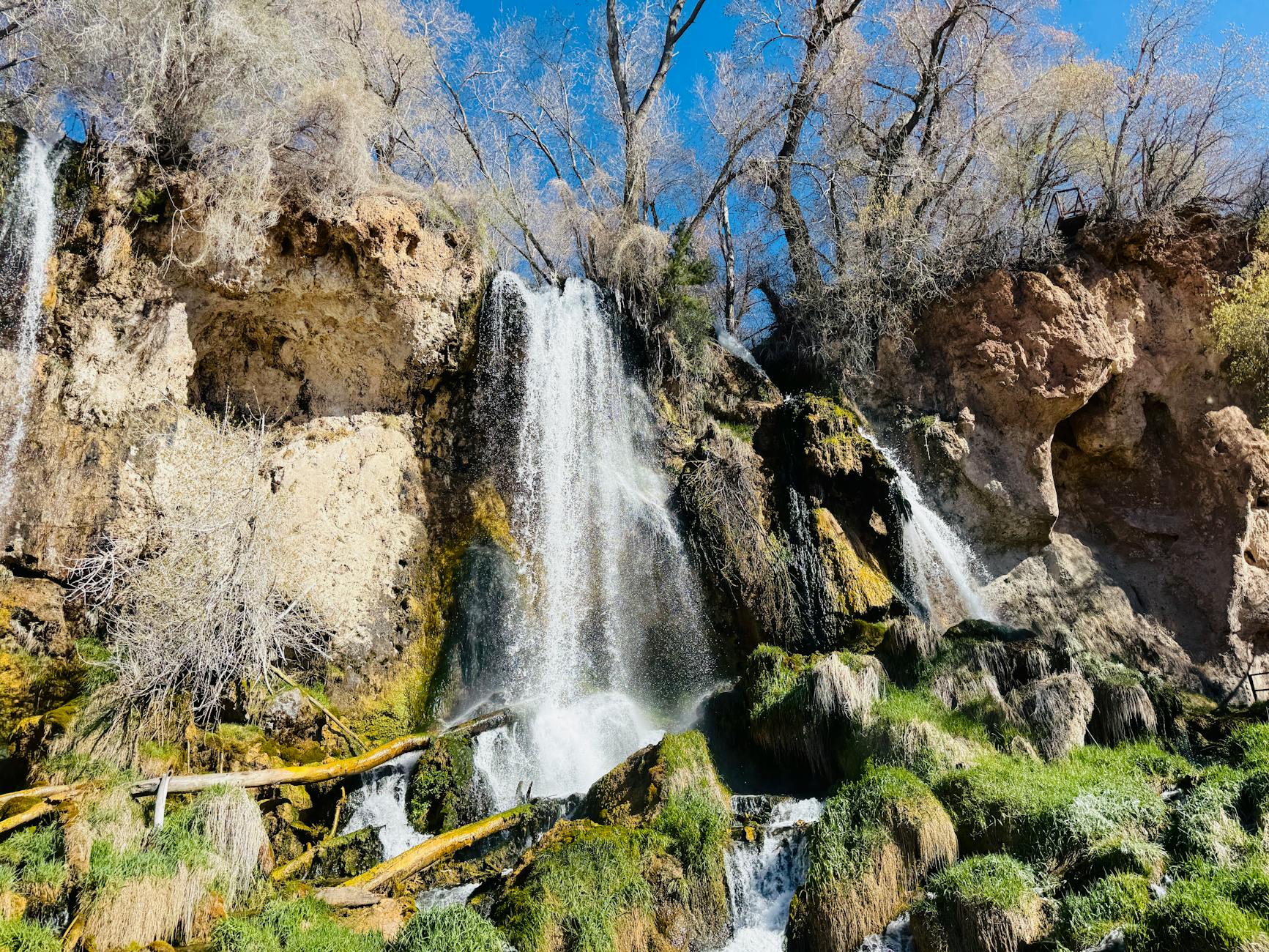
In a critical negotiation aimed at addressing the dwindling resources of the Colorado River, representatives from seven U.S. states and Mexico convened in Las Vegas this week. The annual discussions, which have been ongoing since 1945, are focused on significant reductions in water usage from the climate-affected river, yet the gathering has so far illuminated stark divisions among the states involved.
Dire Circumstances Highlighted
The situation surrounding the Colorado River remains precarious. Due to prolonged drought conditions exacerbated by climate change, the river has seen an alarming decline in its water levels. As states engage in talks, the only consensus reached thus far is the acknowledgment of the dire circumstances affecting all parties reliant on the river.
Divided Meetings Illustrate Tensions
On Tuesday morning, representatives from the Upper Basin states—Colorado, Utah, Wyoming, and New Mexico—held separate discussions from those representing California, Arizona, and Nevada in the Lower Basin. Each faction aimed to illustrate their commitment to conservation efforts, with the Upper Basin focusing on reducing water use through voluntary measures for farmers and urban landscaping, while simultaneously criticizing the Lower Basin for not doing enough to mitigate their water consumption.
“We’ve put everything we have on the table,” stated Rebecca Mitchell, representing Colorado on the Upper Colorado River Commission. “The only way out of the woods on the Colorado River is for everyone to do their part.”
Conversely, New Mexico’s commissioner, Estevan López, pointedly expressed concerns over a perceived one-sided focus on increasing water allocations to the Lower Basin, emphasizing that all parties need to find a balanced approach to manage the river.
California’s Optimistic Outlook
In stark contrast, members from California’s water districts gathered in a nearby ballroom at Caesars Palace, where the atmosphere was notably more upbeat. With displays promoting California's water-saving strategies, officials highlighted a significant reduction in their Colorado River usage — the lowest since 1949.
Jim Madaffer, representing San Diego on the San Diego County Water Authority board, proudly announced that his region had sufficient water supplies available for sale. This is partly attributable to a water-sharing agreement with Imperial Valley farmers struck back in 2003.
“It’s heartening to hear how advanced California is compared to the other six states,” Madaffer remarked. “Not to say they haven’t done stuff, just not at the scale we have.”
The Lower Basin states have committed to conserve 440,000 acre-feet of Colorado River water each year, a figure that they assert demonstrates their dedication to responsible management. However, Jay Hamby, chair of the Colorado River Board of California, bluntly stated that the Upper Basin hadn't committed to conserve "a spoonful."
Looming Deadlines and Potential Federal Intervention
The negotiations are punctuated by looming deadlines established by the U.S. federal government, which have frequently been disregarded by the negotiating states. The original consensus deadline of November 11, 2023, has transitioned to a new target of February 14, 2024. If an agreement remains elusive beyond this deadline, the U.S. Bureau of Reclamation may intervene and impose limits on water allocations, likely resulting in protracted legal disputes among the states.
Conclusion: A Call for Collaboration
As the conference nears its end on Thursday, the divide between states is palpable, raising questions about the future of the Colorado River and the millions who depend on its water. With climate change affecting water supplies, the need for collaboration and compromise has never been more urgent.
The ongoing negotiations serve as a reminder of the complex interplay between environmental challenges and human necessity. As momentum builds toward the February 2024 deadline, all stakeholders must recognize the importance of unified action in safeguarding the river’s future.
Support Local Journalism
As negotiations like these capture headlines and public interest, contributing to local news outlets is essential to ensure continued coverage of such critical issues. Voice of San Diego is currently working towards a fundraising goal of $250,000 to maintain transparency and report on events that matter to the community. Every contribution counts—support their mission today by clicking Give Now!.